
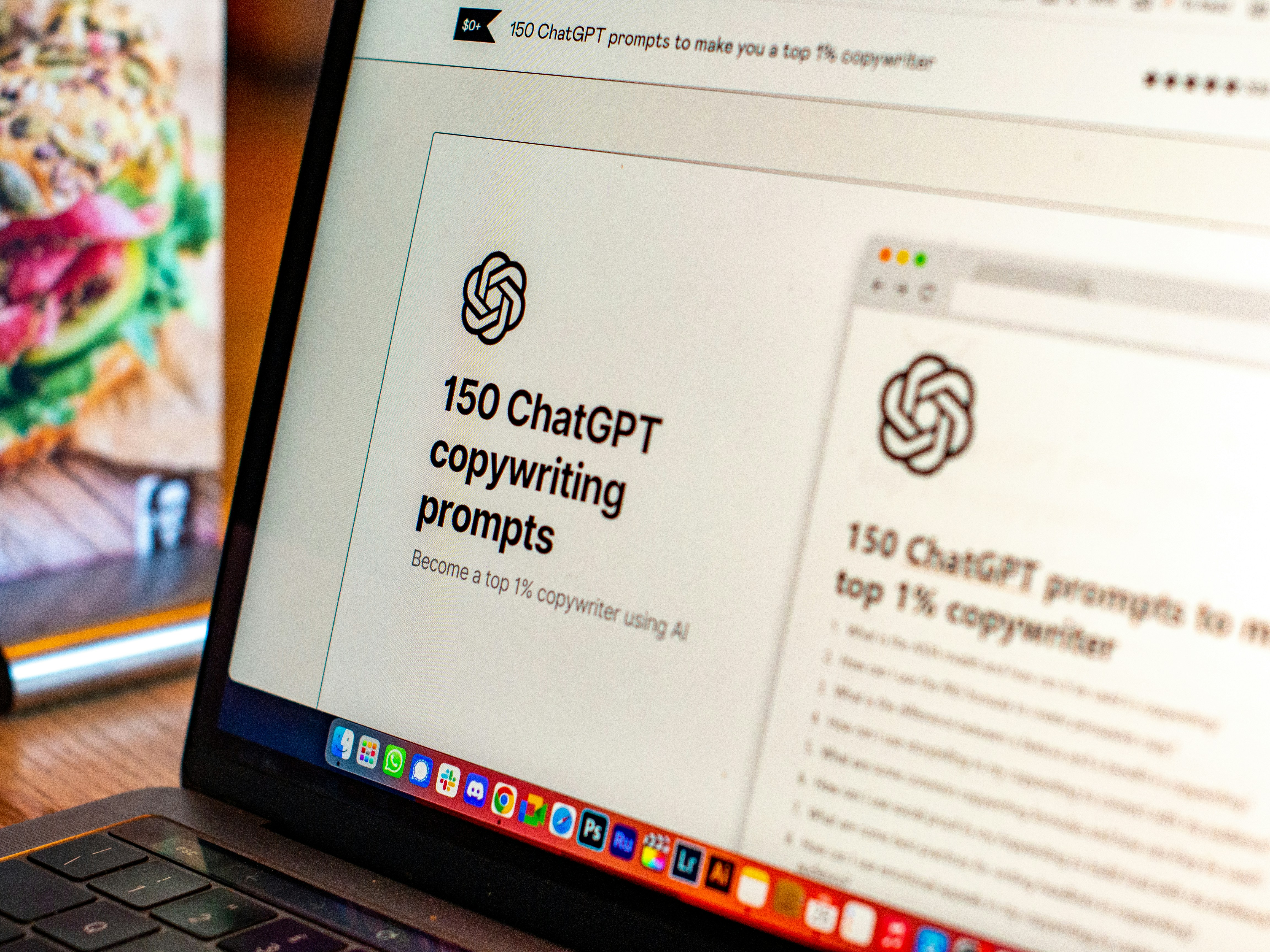
Introduction to AI Tools
Artificial Intelligence (AI) tools have emerged as pivotal resources in today’s digitally-focused landscape, significantly impacting various sectors, including productivity, content creation, and software development. The evolution of these tools stems from rapid advancements in AI technologies, which enable them to perform tasks that once required human intelligence. The importance of AI tools cannot be understated, as they empower individuals and organizations to enhance their efficiency and creativity.
In productivity applications, AI tools are increasingly utilized to automate routine tasks, allowing professionals to focus on more strategic initiatives. For instance, AI-powered scheduling assistants can organize meetings seamlessly, while project management tools can forecast project timelines and allocate resources effectively. This level of automation not only streamlines day-to-day operations but also optimizes workflows across various business functions.
Moreover, in the realm of content creation, AI assists writers and marketers in generating compelling material, analyzing audience preferences, and optimizing content for search engines. Tools like AI-assisted writing software help users brainstorm ideas, enhance language, and even generate drafts, thus reducing the time spent on creating written content. This not only boosts productivity but also elevates the quality of the output produced.
Additionally, in coding and software development, AI tools can aid in debugging and code generation. By leveraging algorithms that learn from existing codebases, developers can rapidly prototype applications or correct errors with unprecedented speed and accuracy. The application of AI in these areas represents a shift towards a more intelligent and interconnected working environment.
Overall, the significance of AI tools lies in their ability to redefine productivity norms and augment creative processes, making them indispensable assets in the modern digital ecosystem.
Conversational AI: ChatGPT, Google Gemini, and Claude
Conversational AI has established itself as a crucial tool for enhancing productivity and creativity in various domains. Tools like ChatGPT, Google Gemini, and Claude exemplify the capabilities of modern conversational agents, providing unique features and applications that cater to different user needs.
ChatGPT, developed by OpenAI, has gained significant recognition for its ability to understand and generate human-like text. This tool is particularly effective in customer service, where it can handle inquiries, provide information, and resolve issues efficiently. Its natural language processing capabilities allow for context-aware responses, improving user satisfaction and reducing the workload on human agents. ChatGPT can also serve personal assistance functions by helping users manage schedules or retrieve relevant information, thereby streamlining daily tasks.
Google Gemini, another noteworthy player in the conversational AI landscape, combines advanced machine learning techniques with Google’s vast data resources. This tool excels in delivering accurate and personalized responses, making it invaluable for businesses that seek to enhance user engagement through dynamic interactions. Its application extends to areas such as market research, where Gemini can analyze user patterns and preferences, supporting companies in tailoring their services effectively.
Claude, named after the renowned philosopher Claude Lévi-Strauss, integrates ethical considerations with conversational AI. This tool prioritizes responsible AI usage and transparent interactions, making it suitable for applications in mental health support and educational contexts. By fostering meaningful discussions, Claude contributes to user empowerment and aids in cultivating creative thinking.
Each of these conversational AI tools offers distinctive advantages tailored to different circumstances. By leveraging technologies like ChatGPT, Google Gemini, and Claude, organizations can enhance service delivery, improve user engagement, and foster innovation in their approaches.
AI-Powered Video Creation: Runway and Kling AI
In the rapidly evolving landscape of video production, AI-powered tools like Runway and Kling AI are revolutionizing the way creators approach video content. These innovative platforms enable users to produce professional-quality videos with greater efficiency and creativity, streamlining the often labor-intensive process of video editing and production.
Runway, a prominent player in the field, combines cutting-edge AI technology with an intuitive user interface. One of its standout features is automated video editing, which significantly reduces the time and effort typically required for post-production work. Users can easily upload their raw footage, and Runway’s AI algorithm analyzes the content to suggest edits, transitions, and enhancements that align with the creative vision of the project. Additionally, Runway offers capabilities for script generation, allowing users to create compelling narratives and dialogues with minimal input. This feature is particularly advantageous for content creators who may struggle with scriptwriting, enabling them to focus more on the visual and artistic aspects of their videos.
Similarly, Kling AI provides an array of tools designed to maximize creativity and efficiency in video production. Its platform includes advanced visual effects that can be applied seamlessly, allowing even those without extensive technical skills to achieve stunning results. Kling AI’s user-friendly design ensures that creators can quickly navigate through options and access a vast library of visuals and sounds that enhance the overall quality of their projects. Both Runway and Kling AI exemplify how AI technology is not only simplifying the technical aspects of video creation but also opening new avenues for creativity, enabling users to realize their artistic visions more effectively.
Innovative Tools for AI Coding Assistance
Within the rapidly evolving landscape of programming, tools that expedite and enhance coding processes are increasingly indispensable. Cursor, GitHub Copilot, and Replit stand out as innovative AI coding assistants designed to facilitate coding tasks significantly. These platforms leverage advanced algorithms and machine learning to assist developers at various proficiency levels, providing critical support throughout the coding lifecycle.
Cursor, a leading AI coding assistant, integrates seamlessly with multiple programming languages and environments. It not only enhances coding efficiency but also aids in debugging by offering real-time suggestions and error detection. This capability allows developers to focus on creative problem-solving while minimizing the time spent on routine coding tasks. By utilizing Cursor, programmers can accelerate their workflow, thereby improving overall productivity.
GitHub Copilot, another noteworthy AI coding tool, has gained popularity for its remarkable ability to generate code snippets based on natural language descriptions. This tool assists developers in writing code faster by predicting and suggesting subsequent lines or entire functions based on the context provided. Furthermore, GitHub Copilot’s collaborative features make it a valuable tool for teams, fostering creativity and innovation while maintaining coding standards.
Replit brings unique advantages to the table by offering a collaborative online coding environment where developers can work together in real-time. Its AI-driven features facilitate various coding activities, from building applications to running and debugging code. The platform supports a wide range of programming languages and provides a vibrant community where developers can share insights and resources, further enhancing their learning experience.
In conclusion, with tools like Cursor, GitHub Copilot, and Replit, developers can harness the power of AI to transform their coding practices, resulting in increased efficiency and creativity. These innovative coding assistants not only simplify programming but also empower developers to achieve their goals with greater effectiveness.
Boosting Productivity with Notion AI, Zapier, and Gumloop
In the contemporary digital workspace, enhancing productivity is pivotal for professionals and teams aiming to achieve their goals efficiently. Among the myriad of tools available, Notion AI, Zapier, and Gumloop have emerged as frontrunners in augmenting productivity and creativity. These innovative platforms streamline workflows, automate repetitive tasks, and foster a more organized approach towards project management.
Notion AI stands out as a versatile tool that combines note-taking, task management, and database functionalities. Its AI-driven capabilities allow users to draft content, generate summaries, and organize information with remarkable efficiency. By utilizing Notion AI, teams can create collaborative workspaces where ideas can flow freely and tasks can be assigned effortlessly, resulting in improved team synergy and productivity.
Zapier, on the other hand, serves as a powerful automation tool that connects various applications seamlessly. By defining specific triggers and actions, users can automate mundane tasks, thereby saving valuable time that can be redirected towards more critical work. For instance, combining email applications with project management tools enables automatic task updates, eliminating the need for manual input and reducing the possibility of oversight. This not only enhances productivity but also enables professionals to focus on strategic tasks that require critical thinking.
Gumloop complements these tools by facilitating efficient communication and collaboration within teams. It simplifies the management of project updates and feedback through an intuitive interface, allowing all team members to stay informed and aligned. By integrating Gumloop with tools like Notion AI and Zapier, teams can develop a cohesive system that maximizes their workflow.
Together, Notion AI, Zapier, and Gumloop form a comprehensive suite of productivity tools essential for modern professionals looking to elevate their efficiency and creativity in the workplace.
The Role of AI Tools in Creative Industries
Artificial intelligence (AI) tools have made remarkable inroads into various creative industries, reshaping the way professionals in fields such as marketing, design, and content writing approach their work. The integration of AI has not only streamlined processes but also fostered innovation by providing creative individuals with advanced resources and insights.
In the realm of marketing, AI-driven analytics platforms have empowered marketers to gain deeper insights into consumer behavior. For instance, tools powered by machine learning can analyze vast datasets to identify trends, enabling marketers to craft targeted campaigns that resonate with specific audience segments. Companies such as HubSpot and Marketo use AI to recommend content and suggest optimal times for engagement, thus enhancing overall marketing effectiveness.
Designers have also begun leveraging AI tools to enhance their creative processes. Applications like Adobe Sensei utilize machine learning to assist graphic designers by automating repetitive tasks such as image enhancement and layout adjustments. This allows designers to focus more on ideation and creative expression rather than getting bogged down in technical details. Furthermore, AI-based design tools like Canva integrate design principles and suggestions in real-time, making it easier for non-designers to create visually appealing content quickly.
Content writing has similarly benefited from the advent of AI tools. Platforms like Grammarly and Copy.ai employ natural language processing to provide stylistic suggestions and improve the quality of writing. These tools facilitate better content creation by ensuring grammatical accuracy without stifling the author’s voice. Moreover, AI tools can aid in brainstorming ideas, generating outlines, and even composing entire articles. This collaborative potential between humans and AI enhances creativity, allowing writers to explore new concepts and narratives.
Ultimately, the transformative role of AI tools in creative industries exemplifies their potential to enhance productivity and drive innovation. As these tools continue to evolve, it is likely that their impact on future creative practices will be even more profound, paving the way for unprecedented creative possibilities.
Comparative Analysis of the Trending AI Tools
As businesses and individuals increasingly rely on artificial intelligence (AI) for tasks ranging from automation to creative endeavors, a thorough understanding of the available tools is crucial. This section presents a comparative analysis of the leading AI tools currently trending, focusing on their key features, pros and cons, pricing, and available user reviews.
Starting with Tool A, this software stands out for its intuitive user interface and versatility across various applications. Key features include advanced data analytics and integration capabilities with other platforms. However, some users have noted performance issues with larger datasets, and its pricing model, although flexible, may become costly as sophistication increases.
Tool B, conversely, emphasizes creativity and has garnered high praise for its content generation capabilities. Its primary advantage lies in its comprehensive library of templates, which can significantly expedite project timelines. On the downside, users have reported that while it excels in specific niches, it lacks some versatility compared to its competitors, making it less suitable for broader applications.
Tool C is recognized for its automation capabilities, streamlining repetitive tasks effectively. Its pricing is generally affordable, which is a significant advantage for small businesses. However, the learning curve can be steep for new users, which may require time investment to optimize its features.
User reviews across these tools reflect diverse experiences, with many praising the ongoing updates and community support offered by the developers. A common theme indicates that while each tool has distinct advantages, the best choice often hinges on the specific needs and context of the user. Overall, by examining these attributes, prospective users can make informed decisions that align with their productivity and creativity requirements.
Future Trends in AI Tools and Technologies
The landscape of artificial intelligence (AI) is continuously evolving, paving the way for numerous advancements in tools and technologies that enhance productivity and creativity. One of the most significant anticipated developments is the increased integration of AI in various industry sectors. Such integration will extend the capabilities of existing tools, enabling businesses to utilize AI-driven insights for better decision-making and operational efficiency. As a result, industries—from healthcare to finance—are likely to witness a transformative shift in how they leverage data for strategic goals.
Moreover, with the rise of generative AI models, content creation and design will undergo a substantial metamorphosis. Tools that automate creative processes or assist in generating high-quality content will become more prevalent. This trend is supported by predictions from industry experts, who suggest that the future will hold a growing demand for AI tools that can understand user context and deliver personalized results. Such advancements will allow for greater customization and creativity, fundamentally altering the dynamics of content generation.
However, the adoption of these cutting-edge AI technologies will not come without challenges. Key concerns revolve around data privacy, security risks, and the ethical implications inherent in the use of AI tools. As organizations embrace AI, they will face the critical task of addressing these challenges while ensuring compliance with regulations. Furthermore, users must equip themselves with the necessary skills to effectively navigate these advanced tools, underscoring the importance of continuous education and training in an AI-centric world.
As we look ahead, the future trends in AI tools and technologies present an immense potential to revolutionize productivity and creativity across various sectors, albeit accompanied by significant responsibility and vigilance in implementation and management.
Conclusion and Recommendations for Users
As we have explored throughout this blog post, AI tools significantly contribute to enhancing productivity and creativity across various domains. With their capability to automate routine tasks, assist in decision-making, and provide valuable insights, these innovative technologies have become indispensable assets for individuals and organizations alike. The diverse applications of AI tools, from content creation and data analysis to project management and design, highlight their versatility and potential to transform workflows.
When selecting AI tools, users should consider several factors to maximize their effectiveness. Firstly, it is essential to identify specific needs and objectives. Understanding which tasks require assistance can guide users in choosing tools that align with their goals. Moreover, evaluating the usability and integration capabilities of different AI tools into existing systems can enhance the overall user experience.
Equally important is staying informed about the latest developments in AI technology. The landscape is evolving rapidly, and new tools and updates to existing ones can significantly impact productivity and creativity. Active participation in user communities, forums, and professional networks can provide insights into the most effective tools available and best practices for their application.
Additionally, users should not overlook the importance of continuous learning and adaptation when using AI tools. Engaging with training materials and utilizing user support can help users fully leverage the capabilities of these tools. Embracing a trial-and-error approach can also foster greater comfort and familiarity, ultimately leading to enhanced productivity.
In conclusion, by thoughtfully selecting and effectively utilizing AI tools tailored to their unique requirements, users can unlock significant potential for greater productivity and creativity in their personal and professional pursuits.