Introduction to ChatGPT and Its Earning Potential
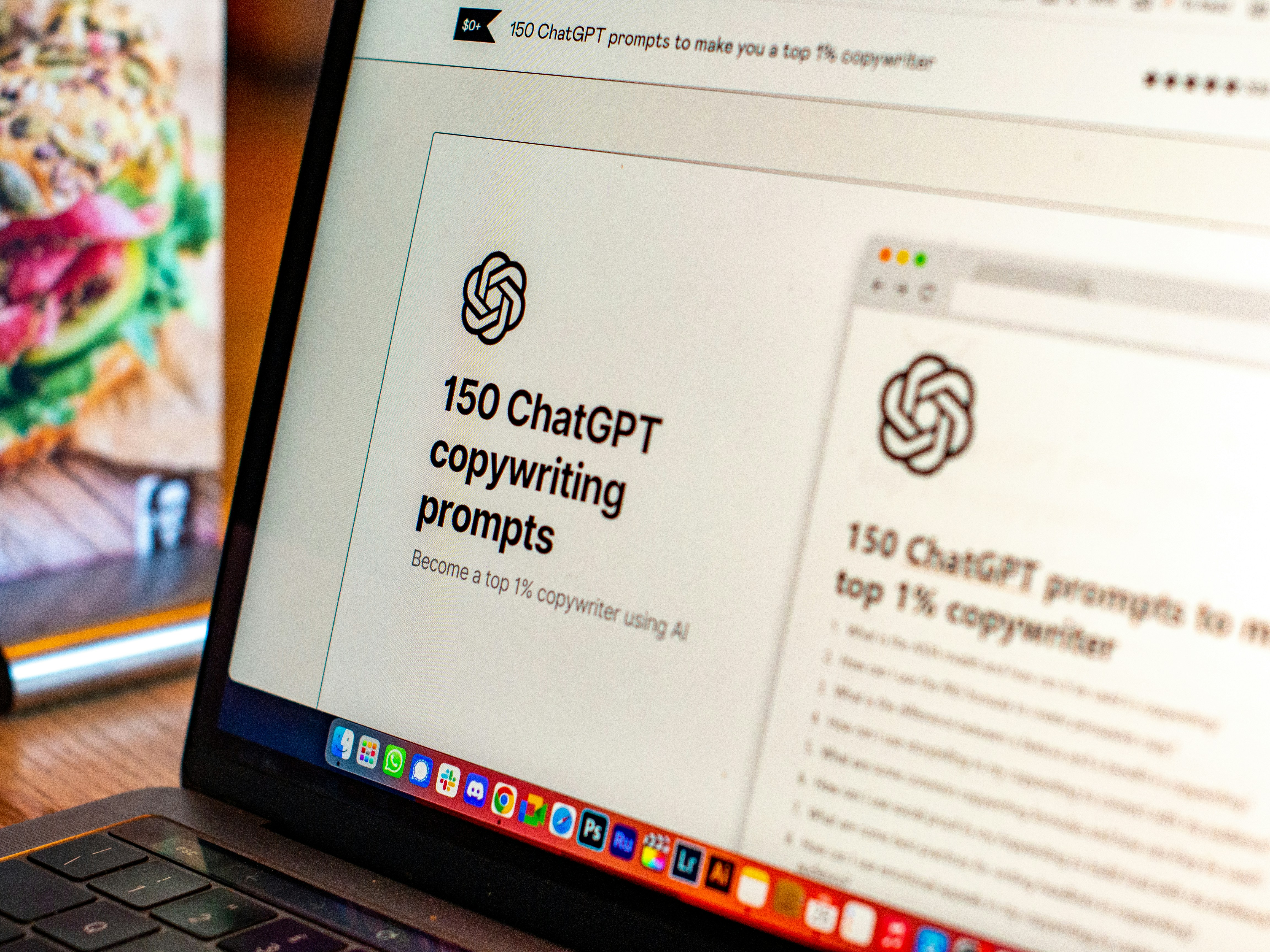
ChatGPT is a state-of-the-art AI language model developed by OpenAI, designed to understand and generate human-like text based on the input it receives. This technology leverages deep learning algorithms and vast datasets to create coherent and contextually relevant responses, making it an incredibly versatile tool in various applications. As businesses and individuals increasingly seek efficient and innovative solutions, the potential of ChatGPT for generating income becomes evident.
The earning potential of ChatGPT is vast, with opportunities arising in several domains. For example, content creation is one major area where this AI can significantly contribute. By generating high-quality articles, blog posts, and social media content, ChatGPT can save time and enhance productivity for writers and marketers alike. This capability not only allows for the rapid production of written material but can also help businesses maintain a consistent online presence, ultimately leading to increased revenue.
Additionally, ChatGPT’s application in customer service is noteworthy. Companies can utilize this AI model to automate responses to frequently asked questions, providing instant support to customers without the need for extensive human resources. By implementing ChatGPT in customer service roles, businesses can improve customer satisfaction and reduce operational costs, thereby enhancing profitability.
Furthermore, ChatGPT’s adaptability makes it valuable in educational settings, crafting personalized learning experiences and tutoring services. Educators and learners can benefit from tailored content that meets specific needs, thereby creating another avenue for monetization through subscription-based learning platforms.
In summary, ChatGPT serves as a multifaceted tool with significant earning potential across various industries. From content creation to customer service applications, the versatility of this AI language model positions it as a transformative asset in the pursuit of generating income in today’s digital marketplace.
Understanding Different ChatGPT Income Ideas
As the use of artificial intelligence (AI) continues to grow, individuals are finding numerous ways to capitalize on capabilities provided by tools like ChatGPT. One prominent avenue for income generation is freelance writing, where writers can utilize ChatGPT to enhance their productivity. This AI tool can assist in drafting articles, creating compelling content, and editing work while maintaining a consistent voice. By integrating ChatGPT’s capabilities, freelance writers can handle larger volumes of work, thus increasing their earning potential.
Another lucrative income idea is the development of chatbots for businesses. Companies are increasingly adopting chatbots to provide customer service, streamline operations, and optimize engagement. By utilizing ChatGPT, developers can create sophisticated chatbots that understand natural language and provide human-like responses, which can significantly improve customer experiences. Therefore, by offering custom chatbot solutions to businesses, developers can tap into a growing market while employing innovative AI technology.
Additionally, creating educational content is another promising way to leverage ChatGPT for financial gain. Educators or content creators can use the AI to generate quizzes, lesson plans, and explanatory materials, enhancing the learning experience. This content can be distributed through various platforms, such as online courses or educational websites, allowing creators to monetize their expertise while utilizing ChatGPT’s extensive knowledge base.
Moreover, businesses can utilize ChatGPT for marketing copy, social media content, or even product descriptions. By harnessing the AI’s ability to produce engaging and persuasive text, marketers can drive more traffic and increase conversion rates, ultimately leading to higher sales. Leveraging ChatGPT for these purposes not only streamlines the content creation process but also enhances marketing efforts.
Setting Up Your ChatGPT Account
Creating an account with OpenAI or any platform that provides ChatGPT is a straightforward process. Begin by visiting the OpenAI website, where you will find options to sign up. Click on the “Sign Up” button, which will redirect you to a registration form.
In the registration form, you will need to provide your email address and create a secure password. Upon submission, you may be required to verify your email by clicking on a confirmation link sent to your inbox. Following email verification, you can log into your new account.
After logging in, review the subscription plans available. OpenAI often provides various tiers of subscription options that cater to different needs. The free tier offers access to basic functionalities of ChatGPT, while premium plans unlock advanced features, such as faster response times, priority access during peak hours, and higher usage limits. Choose a plan that best suits your intended use of ChatGPT.
Once you have selected your subscription, proceed to enter your payment details if you opted for a paid plan. Ensure that you review the terms of service and privacy policy before accepting them. Understanding these terms is crucial, as they outline what you can expect using ChatGPT.
After completing the setup process, you will have access to ChatGPT. It is advantageous to familiarize yourself with the platform’s interface. Spend some time exploring its functionalities, which include conversational modes, the ability to generate text based on prompts, and various integration options for tasks you wish to automate. With your account set up, you’re ready to start leveraging ChatGPT for your earning methods.
Content Creation: Writing and Blogging with ChatGPT
In the realm of digital content creation, utilizing AI tools like ChatGPT has emerged as a transformative approach for writers and bloggers. This generative AI language model can significantly assist in various stages of content development, from brainstorming ideas to drafting and editing. By harnessing its capabilities, individuals can streamline their writing process and boost creativity.
First and foremost, generating content ideas can often be a challenging task for many. ChatGPT can help overcome this hurdle by providing prompts and suggestions based on a given topic. When prompted with a specific keyword or theme, users can receive a plethora of ideas ranging from article headlines to subgroup topics. This capability not only saves time but also introduces unique angles that a writer may not have initially considered, thereby enriching the content.
Once the ideas are established, ChatGPT can assist in drafting the content. By providing a structured outline, the AI can facilitate the writing process, producing coherent paragraphs that align with the intended style and tone. Writers can input their outline and let the AI populate the draft with relevant information. This collaborative effort enables the content to flow intuitively, allowing the author to focus on refining their voice and message rather than getting bogged down in the initial writing stage.
Editing is another crucial component where ChatGPT shines. After a draft is complete, users can leverage AI for grammar checks, suggestions for content enhancements, and even SEO optimization. By analyzing the text for clarity and engagement, ChatGPT offers revisions that can significantly polish the final output. This adds an extra layer of professionalism and flair to the content, aligning it more closely with audience expectations.
Offering Services: Freelancing with ChatGPT
In today’s digital age, integrating artificial intelligence into freelance services can enhance your offerings and improve client satisfaction. By leveraging ChatGPT, freelancers can streamline their workflows and cater to diverse client needs efficiently. This AI-powered tool can assist in various areas such as copywriting, social media management, and technical writing, making it an invaluable resource for professionals seeking to maximize their productivity.
Firstly, for individuals interested in copywriting, ChatGPT can generate compelling content for blogs, articles, marketing materials, and product descriptions. This AI can assist in brainstorming ideas, crafting narratives, and even optimizing content for SEO. Freelancers can harness ChatGPT’s capabilities to speed up the writing process, enabling them to take on more projects while maintaining high-quality output.
In the realm of social media management, ChatGPT can be an asset in creating engaging posts, captions, and responses tailored to a specific audience. Utilizing its natural language processing abilities, freelancers can schedule and manage content across various platforms with ease. This not only saves time but allows for consistent communication and engagement with followers, enhancing brand presence for clients.
Technical writing is another area where integrating ChatGPT can yield significant benefits. Whether it’s drafting user manuals, project documentation, or informative articles, this AI tool can help streamline complex information into easily digestible formats. By utilizing AI, freelancers can ensure their technical documents are clear and concise, a factor that many clients value highly.
To effectively market these services, building a portfolio showcasing your AI-enhanced work is crucial. Presenting examples of content generated with ChatGPT can demonstrate your capacity to innovate and provide quality services. Engaging in online communities, utilizing social media, and showcasing your expertise through content marketing can further attract potential clients and establish a strong freelancing profile.
Creating Chatbots and Automation with ChatGPT
Chatbots and automation tools powered by artificial intelligence, such as ChatGPT, have transformed customer interaction paradigms across various industries. The capability of ChatGPT to understand and generate human-like text makes it an ideal candidate for developing chatbots aimed at providing efficient customer support or enhancing user engagement on interactive websites.
The initial step in creating a chatbot involves identifying its primary function. For instance, businesses can deploy customer support chatbots to handle FAQs, troubleshoot common issues, or guide users through processes. Alternatively, chatbots can serve as interactive tools that engage visitors on websites, provide personalized recommendations, or assist in lead generation. By tailoring the chatbot’s functionalities to the specific needs of the target audience, developers can ensure higher satisfaction rates and improved user experiences.
Technically, integrating ChatGPT into a chatbot system involves utilizing its API to process user inputs and generate appropriate responses. Developers can set up conversation flows and fine-tune the model with specific data relevant to the industry or domain. This customization is essential, as it allows the chatbot to maintain context and provide accurate information. The use of natural language processing (NLP) further enhances the bot’s efficiency, making interactions smoother and more intuitive.
The potential market for automated solutions powered by ChatGPT is vast, encompassing sectors such as e-commerce, healthcare, and education. In e-commerce, chatbots can manage customer inquiries efficiently, contributing to reduced operational costs and enhanced sales conversion rates. Similarly, in the healthcare sector, automated chat systems can assist patients with appointment scheduling or general inquiries, helping to alleviate the burden on medical staff.
In summary, the integration of ChatGPT into chatbots and automated systems not only streamlines processes but also opens new revenue streams for businesses willing to invest in AI solutions. By harnessing this technology, companies can improve customer engagement and operational efficiency significantly, paving the way for innovative service delivery methods in the digital age.
Creating Educational Resources with ChatGPT
In the current era of digital education, leveraging artificial intelligence tools like ChatGPT has become increasingly important for educators looking to create engaging and effective learning materials. This AI technology can assist in developing a comprehensive curriculum that caters to various educational needs. By harnessing ChatGPT, educators can streamline the content creation process, ensuring that lessons are not only informative but also interactive and engaging for students.
Designing Quizzes and Assessment Tools
One of the notable applications of ChatGPT is its capability to generate quiz questions and assessment tools efficiently. By inputting specific learning objectives, educators can instruct the AI to create diverse and challenging question formats. This includes multiple-choice questions, short answer prompts, and even case studies tailored to the subject matter. The ability to generate instant quiz content allows teachers to save valuable time that can be better spent on direct instruction and student interaction.
Facilitating Online Tutoring
Moreover, ChatGPT can be an excellent tool for facilitating online tutoring sessions. It can help tutors formulate responses to student queries, draft explanations of complex topics, and even role-play as a student to illustrate various teaching methodologies. This interactive approach fosters a greater understanding of the subject while providing tutors with a resource that helps answer questions swiftly and effectively. By incorporating AI into their tutoring practice, educators can enhance their service offering and potentially increase their income through expanded reach and efficient resource management.
Conclusion
Incorporating ChatGPT into educational initiatives not only enriches the quality of educational content but also creates various income-generating opportunities for educators. Through structured courses, enhanced assessments, and effective tutoring, ChatGPT offers unique strategies to monetize educational expertise in an evolving digital landscape.
Legal and Ethical Considerations When Using ChatGPT
As individuals seek to leverage AI tools like ChatGPT for income generation, it is essential to navigate the landscape of legal and ethical considerations that accompany the use of such technologies. Utilizing AI for profit can foster innovation and creativity, but it also necessitates a thorough understanding of the responsibilities involved, particularly regarding copyright, content originality, and data privacy.
Copyright issues represent a significant concern for users of AI-generated content. Content created through ChatGPT may be influenced by pre-existing material, raising questions about originality and ownership. Therefore, it is crucial for users to ensure that the content they produce does not infringe on the intellectual property rights of others. This entails conducting proper research and due diligence on the sources of information infused in AI-generated text to avoid potential legal ramifications.
Moreover, while ChatGPT can produce a wide range of content, maintaining originality is key to establishing credibility and a reliable source of income. Users should be mindful of how much they rely on AI-generated content, ensuring it is supplemented with personal insights or unique viewpoints. This approach not only enhances the quality of outputs but also aligns with ethical standards concerning original content creation.
Data privacy serves as another critical aspect when utilizing AI tools. It is essential to protect sensitive information, both personal and client-related, while employing AI technologies. Adhering to data protection regulations, such as the General Data Protection Regulation (GDPR), is paramount to avoid legal conflicts. Users must implement protocols to safeguard any data shared with AI systems to ensure compliance with privacy laws.
By being cognizant of these legal and ethical considerations, individuals can responsibly harness ChatGPT’s capabilities in their money-making endeavors while fostering trust and integrity within their professional practices.
Summary and Final Thoughts on Making Money with ChatGPT
As we conclude our exploration of monetization strategies utilizing ChatGPT, it is crucial to acknowledge the extraordinary potential inherent in artificial intelligence tools. Throughout this blog post, we have detailed various methods for generating income using ChatGPT, including freelance writing, content creation, customer service automation, and more. These avenues not only exemplify the versatility of ChatGPT but also highlight how easily it can be adapted for diverse industries and niches.
Each method discussed serves as a practical illustration of how individuals can capitalize on ChatGPT’s capabilities. By providing quality content, streamlining business processes, or even aiding in educational pursuits, users can unlock new revenue streams. It is essential for readers to recognize that the journey to financial success with ChatGPT begins with intent and exploration of the options available.
Furthermore, leveraging ChatGPT is not limited to technical experts. Individuals from various backgrounds and skill levels can engage with these strategies, making it an inclusive tool for all aspiring entrepreneurs. Additionally, as the technology continues to advance, staying informed about new features and uses of ChatGPT can offer further opportunities for income generation.
Ultimately, we encourage readers to take proactive steps in exploring the numerous methods shared in this guide. Whether through establishing a freelance business, creating engaging content, or providing support services, the possibilities are extensive. Embrace these strategies and engage with ChatGPT as a powerful ally in your journey to financial independence. By doing so, you not only enhance your skills and competencies but also position yourself advantageously within a rapidly evolving digital landscape.