Introduction to AI Tools in Education
In recent years, artificial intelligence (AI) has rapidly emerged as a transformative force within the educational landscape. As educational institutions increasingly integrate technology into their curricula, AI tools are becoming pivotal in enhancing the overall learning experience for students. From personalized learning strategies to automated administrative tasks, these tools leverage vast amounts of data and intricate algorithms to create tailored educational paths that accommodate the unique needs of each learner.
The significance of AI tools in education lies in their capability to not only enhance learning outcomes but also streamline the assignment process and improve student productivity. By utilizing AI-powered applications, students can engage in a more interactive form of learning, thereby fostering deeper comprehension and retention of knowledge. Tools such as intelligent tutoring systems and adaptive learning platforms utilize real-time feedback to adjust the learning material, catering to individual student paces and styles. This individualized approach allows students to gain mastery over subjects at their own speed, ultimately resulting in better academic performance.
Furthermore, AI tools can significantly alleviate the administrative burden often faced by students. For instance, smart scheduling applications can assist in time management, ensuring that students efficiently balance their academic workload with extracurricular activities. Additionally, AI-driven content analysis tools can help students in gathering and organizing their research, making the assignment process far more manageable. These enhancements create an environment where students can concentrate on critical thinking and creativity, thus promoting a more engaging educational experience.
As we delve deeper into this topic, we will discuss the top 20 AI tools currently revolutionizing student life, showcasing the diverse functionalities and advantages these technologies offer to improve educational experiences.
The Best AI Tools for Students
As the educational landscape continues to evolve, artificial intelligence (AI) has emerged as a crucial resource for enhancing student productivity and learning experiences. Below, we explore the top 20 AI tools tailored for students, detailing their features, benefits, and applicable use cases.
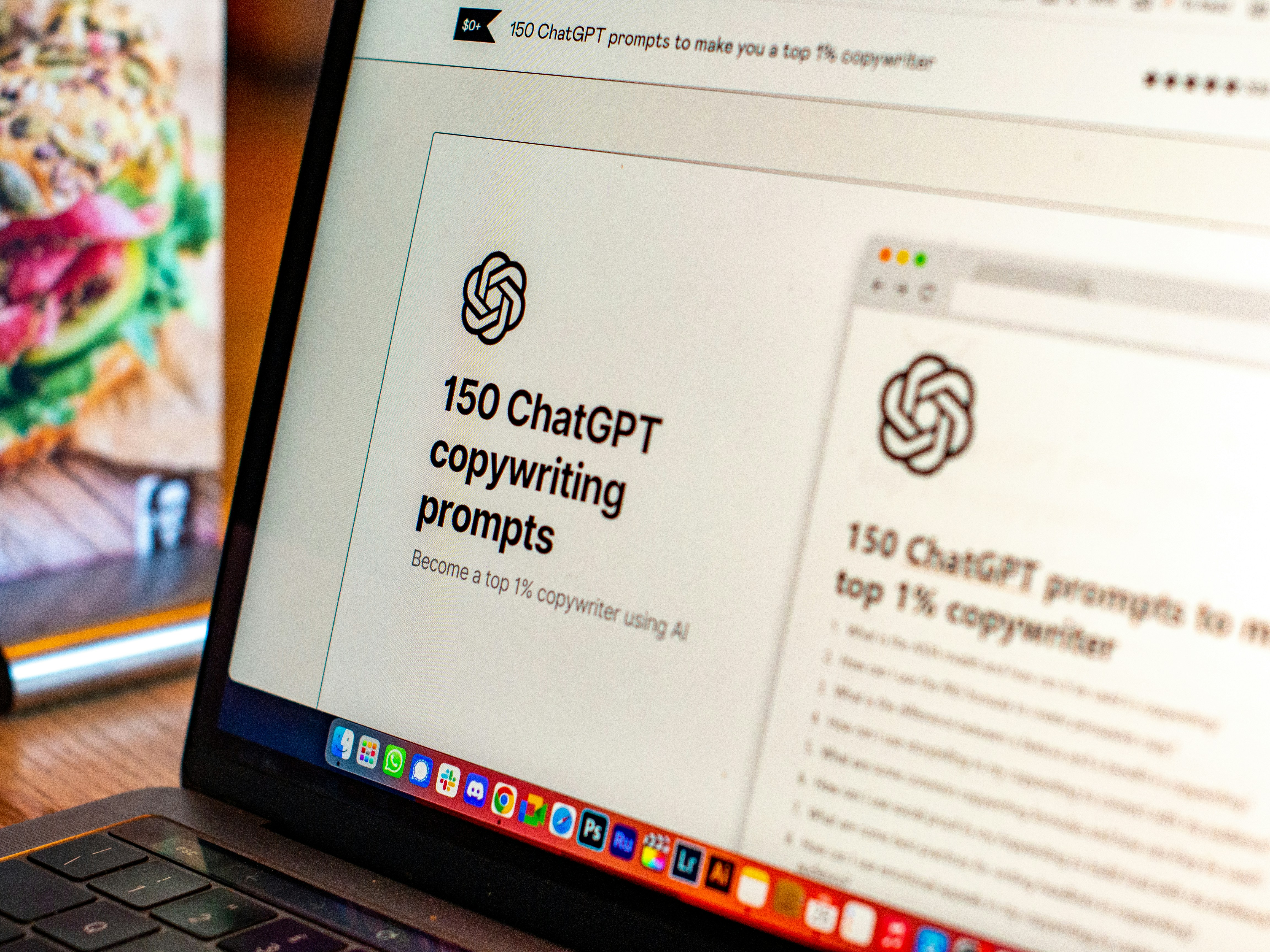
1. ChatGPT: This conversational AI developed by OpenAI excels in tutoring segments, answering academic questions, and providing instant feedback on writing tasks. Its versatility makes it an essential tool for students seeking personalized assistance.
2. Google Gemini: Known for its advanced search capabilities, Google Gemini offers students a powerful platform that synthesizes data from multiple sources, facilitating effective research for assignments and projects.
3. Claude: A chatbot designed for educational purposes, Claude assists students with brainstorming ideas, refining their arguments, and encouraging creative writing processes.
4. Perplexity AI: This tool is beneficial for gathering insights and summarizing complex topics efficiently. Ideal for exam preparation, its quick information retrieval saves valuable time for students.
5. Grammarly: An indispensable tool for writing, Grammarly provides real-time grammar, punctuation, and style corrections, promoting clear communication and effective academic writing.
6. Quillbot: This AI-driven paraphrasing tool is useful for rewriting and enhancing essays, ensuring originality while maintaining the essence of student work.
7. Notion AI: Notion combines note-taking and project management. It helps students organize their coursework and collaborate effectively on group assignments.
8. Otter.ai: With automatic transcription capabilities, Otter.ai records and organizes notes from lectures and discussions, making it easier for students to capture vital information.
9. Canva: For students involved in presentations or creative projects, Canva offers user-friendly design tools, allowing them to produce visually appealing content effortlessly.
10. Gamma: This presentation tool aids in the creation of professional-quality slides. Its AI features simplify design processes, enabling students to focus on content rather than aesthetics.
The above AI tools represent just a fraction of the innovative resources available to enhance student life. By integrating these technologies into their studies, students can maximize their potential and navigate academic challenges more efficiently.
How to Choose the Right AI Tool for Your Needs
Selecting the appropriate AI tool can significantly enhance a student’s academic experience. Given the variety of AI tools available, understanding how to choose one that aligns with individual needs is essential. The first factor to consider is compatibility with current coursework. An AI tool should complement the subjects being studied, providing relevant resources and assistance tailored to specific academic requirements. For instance, if a student is majoring in a technical field, tools that support coding or data analysis might be more beneficial than those focused on humanities.
Another critical aspect is the ease of use of the tool. Students should look for AI tools with intuitive interfaces that do not require extensive learning curves. A user-friendly design not only saves time but also minimizes frustration, allowing for a more productive study session. It is advisable to try out a few options in short trial versions (if available) to assess how comfortable one feels navigating the tool.
Moreover, students should evaluate how effectively the AI tool integrates into their existing study routines. For example, tools that offer personalized learning experiences can adjust to individual learning styles, enhancing information retention and understanding. Students should reflect on their study habits; those who thrive on structured schedules may benefit from tools that provide consistent reminders and progress tracking. Conversely, more flexible learners might prefer tools that allow for a freer exploration of resources.
Finally, it is crucial to consider feedback and reviews from peers to gauge the effectiveness of various AI tools. Engaging with fellow students can provide insights into the real-world application of these tools, aiding in the decision-making process. By considering compatibility, ease of use, integration with study routines, and peer feedback, students can make informed choices that positively influence their academic success.
Conclusion and Future of AI in Education
The integration of AI tools into educational settings has markedly transformed student life, presenting both opportunities and challenges. As discussed throughout this blog post, AI technologies have the potential to personalize learning experiences, improve access to resources, and enhance administrative functions within educational institutions. With tools tailored to meet diverse student needs, learning has become more efficient and effective.
Looking ahead, the future of AI in education appears promising. Continuous advancements in AI technology suggest that institutions will further embrace these tools, enabling even more sophisticated learning environments. For instance, AI algorithms may evolve to provide real-time feedback to learners, adapt curricula to suit individual learning styles, and even predict academic success based on patterns observed in student performance data.
Furthermore, as the educational landscape becomes increasingly digital, the importance of adaptability cannot be overstated. Educators, students, and institutions must remain vigilant in keeping up with the rapid pace of technological change. Understanding new AI tools as they emerge will be crucial in fully harnessing their capabilities and enhancing educational outcomes.
This demand for adaptability extends to students as well, who must cultivate digital literacy skills and critical thinking abilities to navigate a future where AI will play a central role in their academic journey. By being open to change and eager to explore new functionalities that AI tools offer, learners can maximize their potential and prepare themselves for an evolving job market.
In conclusion, the present landscape, shaped by AI tools, denotes just the beginning of a transformative journey in education. As we advance, the effective integration of these technologies will forge pathways for improved learning experiences and outcomes, underscoring the critical role of AI in shaping the future of education.